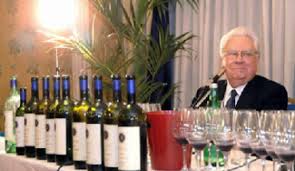
Tastings at Bolgheri Consortium are a landmark event. They have kick-started my Vinitaly activities for several years now and so they did in 2015. As many of you know, Bolgheri is a DOC (Denominazione di Origine Controllata) in Tuscany’s coastal Maremma region. It first rose to prominence during the 1970s with the rise of famous “Super-Tuscan” wines like Ornellaia and Sassicaia. Here the focus is on red wine; whites taking the role of fresh ancillary complements. Bolgheri wineries have traditionally used very high proportions of international grapes, such as Cabernet Sauvignon, labelling their wines as simply “Vino da Tavola” (Table Wine). These wines have always been of great and improving quality, winning global acclaim and selling for unprecedented prices, higher even than those of other Tuscany’s finest. This resulted in an increasing number of companies joining the local consortium (40 out of a total of 52) and Italian authorities awarding Bolgheri its own DOC in 1994.
Lately, Bolgheri as well as the entire Italian wine industry, mourned the loss of Giacomo Tachis, an
eminent winemaker at the forefront of a decisive quality turn-around for Italian wine in the 1980s and consultant to several top Italian estates, headed by Tenuta San Guido, producing world-acclaimed Sassicaia. An article on this event was recently published on gourmettino.com
Bolgheri red wines are produced generally from a blend of Cabernet Sauvignon, Cabernet Franc, and Merlot. Other grapes, such as Syrah and Petit Verdot, but also Sangiovese (Tuscany’s distinctive vitis vinifera) are sometimes included, with interesting results. Vermentino is currently the most popular white grape, with Sauvignon Blanc and Viognier providing for a white international dimension.
A brief explanation of Bolgheri’s wine classification will ease quality understanding by the reader. White wines are labelled Bolgheri Bianco, while for reds there is a quality ladder. At the bottom of the red appellation there is Bolgheri Rosso DOC (maximum yield 90 q/ha, released only after September 1st of the year following harvest), then the next step is Bolgheri Superiore DOC (maximum yield 80 q/ha, aged for at least 2 years starting from January 1st of the year following harvest and for at least one year in oak barrels). The quality apex is coherently represented by Tenuta San Guido’s Sassicaia (from “sasso”, meaning stone in Italian), a wine with an assigned special DOC: Bolgheri Sassicaia DOC (minimum 80% Cabernet Sauvignon, maximum yield 70 q/ha, aged for at least 2 years starting from January 1st of the year following harvest and for at least 18 months in 225 l. barriques).
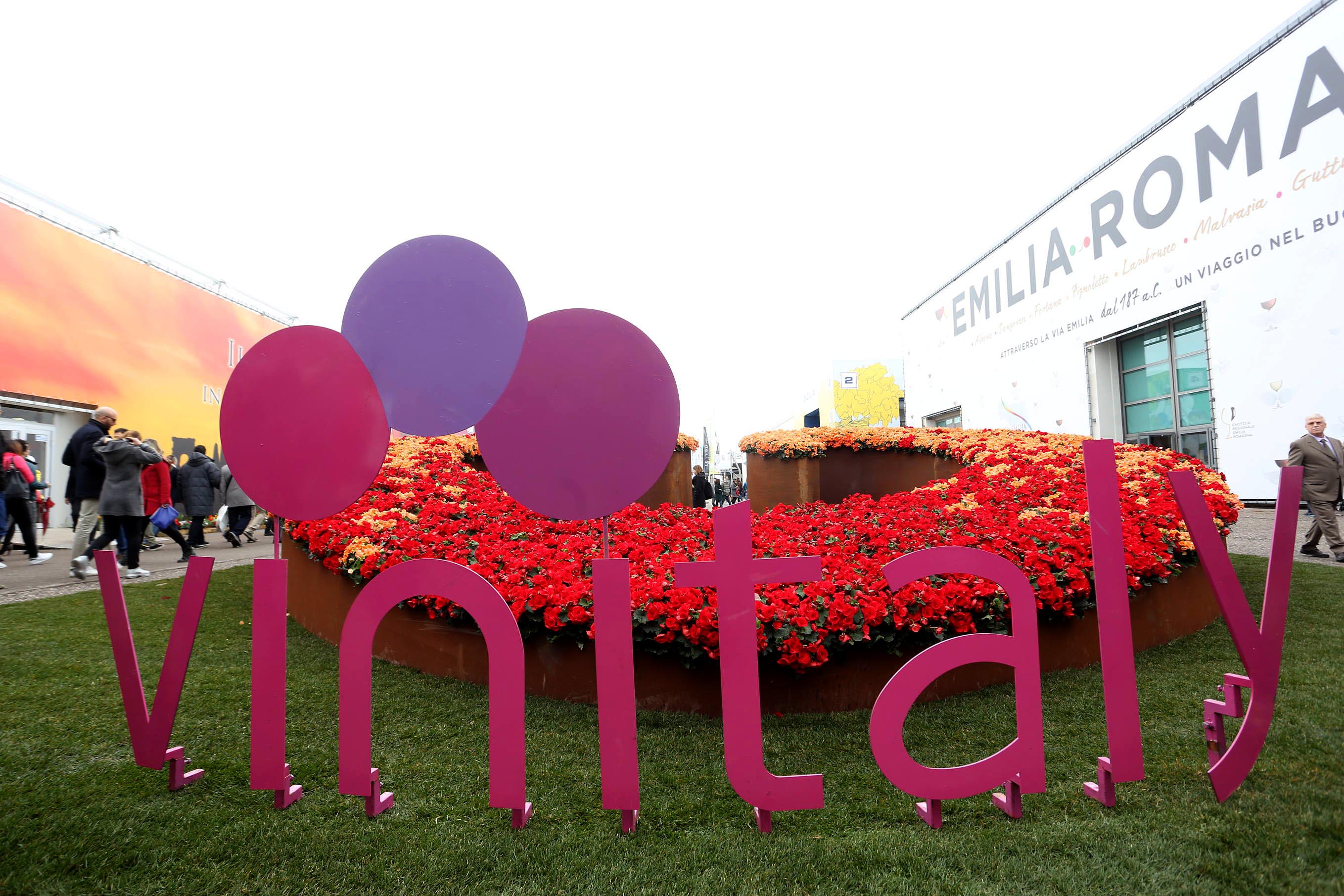
Tasting Bolgheri wines at Vinitaly 2015 confirmed the constant improvement on average of wines from this region, as well as the notable excellence offered by wineries leading the pack and acting as sources of reference and inspiration for most of the rest. Moreover, I could ascertain the increasing competence of such producers in handling international grape varieties, Cabernet Franc in particular, and merging them with a solid Tuscan soul. I will list here below the wines that have starred in Vinitaly’s 2015 Bolgheri tasting, grouping them according to denomination (DOC):
BOLGHERI BIANCO
– Donna Olimpia Bianco 2012, produced by Donna Olimpia 1898: Good. Long, balanced, an interesting blend of Vermentino, Viognier and Pétit Manseng, where the latter speaks-out.
– Borgeri Bianco 2014, by Giorgio Meletti Cavallari: Good. Light colour, lively nose and mineral palate, medium body, blend of Vermentino and Viognier.
– Un Pò Più Su del Mare 2013, by Mulini di Segalari: Bizarre name on label… Interesting bio wine produced in terracotta amphorae, atypical, fresh, slightly oxidised, blend of Vermentino and Manzoni Bianco grapes.
BOLGHERI ROSSO
– Le Serre Nuove 2012, produced by Ornellaia: Extremely good (more so considering the price positioning of the wine). Berry fruit, coffee and spices, good body and persistence, balanced and elegant.
– Piastraia 2011, by Michele Satta: Very good. Sangiovese in the grapes mix. Alcohol at 13.5% well set in an overall pleasant balance, long and persistent, plums, peppers and spices.
– Villa Donoratico 2012, by Argentiera: Very good. Nice fruit, good acidity and structure, persistent, elegant and complex.
– Varvàra 2013, by Castello di Bolgheri: Very good. Subtle oak and fruit aromas, classy, velvety, rewarding.
– Felciaino 2013, by Chiappini: Quite good. Sangiovese is in the mix and you can feel it. Lovely fruit and acidity, tasty.
BOLGHERI SUPERIORE
– Ornellaia 2012, produced by Ornellaia: Excellent. Blackberries and vanilla aromas plus coffee and spices, complex, slightly mature, very refined but a little astringent and off-balanced for its class. Probable improvement with bottle ageing.
– Argentiera 2012, by Argentiera: Very good. Very complex, long, elegant, superior fruit, harmonic, long and great finish.
– Castello di Bolgheri 2011, by Castello di Bolgheri: Extremely good. Great plums and berries aromas, elegant, complex and superbly balanced. Good ageing potential.
– Millepassi 2012, by Donna Olimpia 1898: Very good. Round, juicy, intense and in equilibrium, long-lasting on the palate.
– L’Alberello 2012, by Grattamacco: Very good. Wonderful grapes integration, delicate, persistent, refined, round and intense.
– Guado al Tasso 2012, by Guado al Tasso: Very good. Remarkably Tuscan, strong rosemary aromas, good body, gratifying.
– Paleo 2011, by Le Macchiole: Interesting, 100% Cabernet Franc. Peppery and fruity, round, intense, slightly astringent, medium structure, permeated by Tuscan terroir.
BOLGHERI SASSICAIA
– Sassicaia 2012, by Tenuta San Guido: Outstanding. The best wine of the tasting and one of the very best savoured at Vinitaly 2015. This vintage 2012 sets Sassicaia above Ornellaia (the latter being slightly preferred in the previous couple vintages). Excellent precision and equilibrium, tasty, refined, superb elegance, nose of blackberries, cranberries, coffee, chocolate and spices, great body and persistence, austere, coherent, solid, classy, a pure pleasure in the mouth. A wonderful wine.
I would like to conclude my article highlighting three final points emerging from Bolgheri’s 2015 Vinitaly presentation. The first is centred on a discernible Tuscan terroir imprinting on most wines, especially 2012 Bolgheri Superiore. Terroir really emerges above international grapes in the complex mix of ingredients producing Bolgheri reds, giving them a unique and distinctive character and dimension through scents of Tuscan greeneries, scrubs, rosemary, thyme, sage and terracotta: a truly Etruscan soul is expressed by these wines.
The second point is the continuous development of Bolgheri’s productive context, with new ideas, improvements and producers moving the DOC forward. One of such new wineries is Villanoviana, freshly presented at Vinitaly 2015: its wines are worth mentioning for their quality and potential. I have tasted their good Teia Bolgheri Vermentino and San Uberto Bolgheri Superiore 2012, the latter being particularly pleasant, round and full. Hence, Villanoviana is a winery with good future prospects, with passionate Barbara and Marco Monacelli at the helm.
Lastly, I would like to express my gratitude to the Bolgheri Consortium team (headed by Riccardo Binda) for the impeccable tasting and presentation offered every year and the useful information, discussions and exchange of ideas giving me a clear and thorough taste and knowledge of Bolgheri wines.

Bolgheri DOC Team



 gourmettino