English sparkling wine is now a serious global wine industry player. In 2015, more than five million bottles of sparkling and still wines were produced in the UK. British land under vine has doubled in the past 10 years, with over than 500 commercial vineyards and 133 wineries. Sparkling wine represents 70 per cent of total wine production in England, confirming the country’s love for fizz. In the past, English wine was considered a novelty. Perceptions have improved, however, and this sparkling wine is now exported to 27 countries, including France, home of Champagne.
The best vineyards are in southern counties such as Kent, Sussex, Hampshire, Dorset and Cornwall. The quality of English sparkling wine has improved with climate change; warmer weather conditions have favoured grape ripening and tamed acidity. In a recent blind tasting competition held in Paris by Britain’s Wine and Spirit Trade Association, English sparkling wine surprisingly ranked better than Champagne.
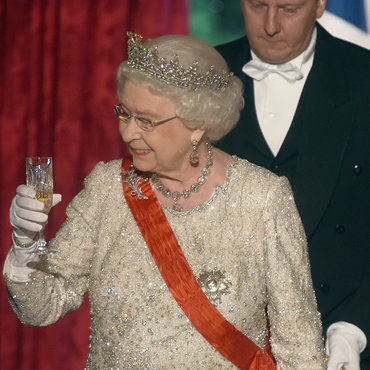
An example of this English bubbly surge is given by the world’s most representative monarch. Queen Elizabeth II herself has recently entered into the sparkling wine market, allowing winemakers to produce bottles of fizzy wine on her Royal estate in Windsor. This project started in 2011, when the UK’s largest wine retailer, Laithwaite’s, was given permission to plant a vineyard at Windsor Great Park, a Royal Park not far from Windsor Castle, the Queen’s renowned residence. Classic Champagne varieties were planted there: Chardonnay, Pinot Noir and Pinot Meunier. By 2013, the grapes were ready for picking, and after two years of aging, the first 3,000 bottles of “Windsor Vineyard English Quality Sparkling Wine” were released by Laithwaite’s.
The Queen’s name has obvious business weight, and despite coming from a new-born and yet immature vineyard, the bottles (packaged as a three bottle gift selling for £75) sold out quickly. However, it is assumed that many purchasers might have something else on their mind besides the wine’s quality. Indeed, it is common sense that rare wines and vintages can drive astonishing prices. It is currently impossible to estimate how much such bottles might be worth in the future, but they have very promising price accolades, such as being produced from vines grown on the Queen’s estate and representing the wine’s first vintage. The 2014 vintage was valued £34.99 per bottle. Soon enough, we all may have a chance to toast with the Queen’s wine since, within a maximum of seven years, the Royal vineyard is predicted to produce 20,000 bottles annually.
 gourmettino